The Uncomfortable Gap Between Who You Were and Who You’re Becoming
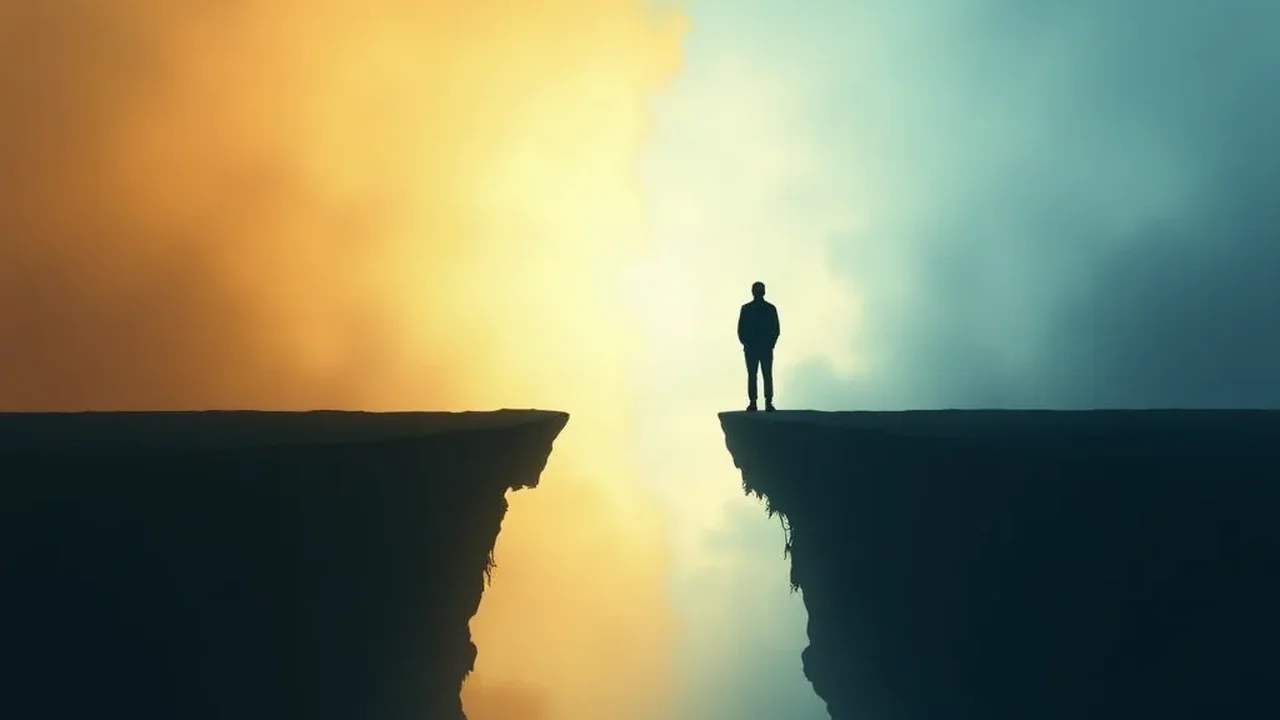
Four years ago, I watched Euphoria with the kind of intensity usually reserved for religious experiences. I was living in that show-every crisis felt urgent, every character flaw felt like a prophecy about my own future. Last week, I opened TikTok to see my teenage self staring back at me. Not literally-but thousands of people sharing their childhood photos with the caption “This is who,” followed by a photo of themselves today, usually accompanied by some version of “I can’t believe I’m nothing like I thought I’d be.”
The thought that hit me hardest wasn’t pride or regret. It was relief mixed with something closer to vertigo.
Because somewhere in the last four years, I stopped being the person who watched Euphoria like it was a manual for my future. And I didn’t even notice.
When Did You Become Someone Else?
Here’s what nobody tells you about growing up: it doesn’t happen in moments. It happens in the margins. In the decisions you make when nobody’s watching. In the things you stop believing at 3 AM on an ordinary Tuesday.
The viral “This is who” trend captures something we’re all experiencing simultaneously-a collision between who we were and who we’ve become. And it’s uncomfortable because growth isn’t supposed to feel good. Growth feels like betrayal.
When you stop being someone, you’re essentially admitting that everything you believed back then was incomplete, wrong, or-worse-wasn’t actually you.
The old version of you? That person is dead. Not dramatically. Just… gradually. Like cells regenerating. And we’re all walking around grieving people we used to be while pretending it’s totally normal.
The Euphoria Rewatch Effect
Euphoria Season 3 dropped this month after a four-year hiatus. Four years is a lifetime in your twenties. Most people who watched Season 2 have changed jobs, ended relationships, moved cities, or completely rewired their values.
And now they’re rewatching, and it’s like finding your diary from high school. Everything feels both entirely familiar and deeply foreign.
- You recognize the emotions.
- You cringe at the priorities.
- You feel something watching yourself through a younger lens.
That’s not nostalgia. That’s cognitive dissonance. Your brain recognizing that you contain multitudes-versions of yourself that have been deleted and replaced.
The Three Types of Change Nobody Talks About
The Quiet Edits
You don’t “decide” to stop caring what people think. You just… one day realize you’re not performing anymore. You’re living. The person who needed validation has been quietly uninstalled.
The Shocking Reversals
Sometimes you become exactly what you swore you’d never be. Or conversely, you reject everything you used to worship. It feels like betrayal until you realize it’s just… evidence.
The Grief
This is the sneaky one. You gain things-stability, clarity, genuine friendships, maybe even self-respect. But you lose the old sense of possibility. You’re not going to be that person. Ever. And somewhere in your cells, you’re mourning that.
Why This Matters Right Now
We’re living in the age of perfect documentation. Every phase of your life is screenshotted, posted, archived. And unlike previous generations, you can’t pretend you were always the person you are now.
The “This is who” trend forces a reckoning: Here’s who I was. Here’s who I am. Make sense of it.
The uncomfortable truth is that both versions of you are real. Both versions believed in something. Both versions made choices that felt urgent and moral and important. And now one of them is gone.
That’s not a failure. That’s evolution. But evolution requires you to bury something.
The Takeaway (Your “Aha” Moment)
The people you were are not mistakes. They were the best you could do with the information you had.
The 19-year-old version of you made sense. So did the 21-year-old. The 24-year-old. Each iteration was logical given what you knew. Each believed in something true enough.
The gap between who you were and who you’re becoming isn’t a sign of instability. It’s a sign that you’re paying attention. That you’re evolving instead of calcifying. That you’re willing to let yourself die and be reborn instead of pretending you’ve had it all figured out.
The people who aren’t changing? They’re the ones actually losing.
The Real Discomfort
Here’s what keeps me up: I don’t know who I’ll be in four years. And that used to terrify me. I wanted guarantees. I wanted to freeze-frame the best version of myself and just live there forever.
Now I realize that person would be boring. Stagnant. She’d be someone I would actively dislike, frozen in place while the world kept moving.
The gap between who you were and who you’re becoming isn’t a failure of consistency. It’s proof of existence.
Your Call to Adventure
Pull up your oldest photo. The one that makes you most cringe. Look at the person in that image. Not as a mistake. Not as an embarrassment.
As evidence that you’re capable of change.
Now write one sentence: What will you have to bury about yourself to become who you’re becoming?
Don’t answer it trying to sound wise. Just be honest.
Because the people who change the world aren’t the ones who stay the same. They’re the ones brave enough to become someone else, over and over again, and call it growth instead of betrayal.

Comments