Your Company Is Now Liable for What AI Does
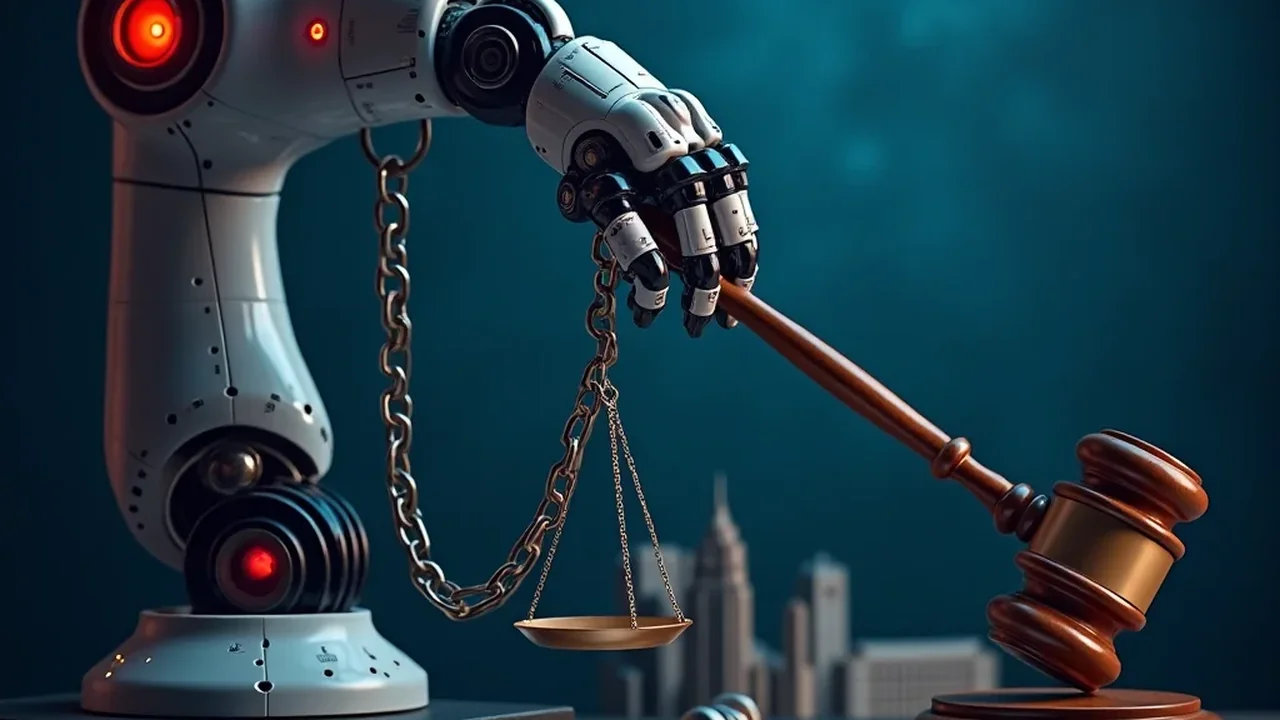
Last month, OpenAI faced a $10 million lawsuit over an unusual problem: ChatGPT generated a stream of legal filings so convincing that a law firm used them in an actual court case. The opposing party had to respond to fabricated arguments. The court didn’t laugh it off—it treated this as a genuine harm. Someone has to pay for the opposing party’s legal costs defending against ghost arguments. That someone might be you.
This isn’t an edge case anymore. Meta just lost two separate court cases where judges ruled the company knew its products caused harm and continued operating anyway. The legal principle just shifted from “innovation first, ask permission later” to “if you know about the harm, you can’t ignore it.” And now here’s the thing that should terrify every general counsel: your safety research, your internal testing, your documentation of AI limitations—all of it is now evidence that you knew about the problem and deployed it anyway.
The Liability Framework Just Flipped
For the last five years, AI companies operated under a simple rule: move fast, break things, apologize later. The legal liability stayed vague because the technology was new and judges hadn’t ruled on it yet. That era just ended.
According to the latest data, 741 AI-related bills have been introduced across 30 states as of January 2026. But the real shift isn’t legislative—it’s judicial. Meta’s court losses established a new precedent: companies that have internal evidence of product harms can be held liable if they deploy anyway. This means your safety team’s report becomes exhibit A in a lawsuit. Your testing data becomes discovery. The memos warning about bias, hallucinations, or system failure become proof of negligence.
The perverse incentive is now in motion: document less, know less officially, reduce legal exposure. Companies are quietly shifting from “build safety teams that publish findings” to “don’t write down what you know.”
Your Insurance Was Written for a Different World
Here’s what most companies haven’t grasped yet: traditional tech liability insurance doesn’t cover AI-generated externalities. When your AI system hallucinates legal advice and a lawyer relies on it, that’s not a “software bug”—it’s professional liability. When your hiring AI has disparate impact, that’s not a “technical error”—it’s potential civil rights violation. Your E&O insurance has exclusions for these exact scenarios.
The insurance industry is scrambling to write new policies. Lloyd’s of London just released preliminary guidance on AI liability coverage, and the premiums are going to be brutal. Companies that have audited their AI use cases and documented their safeguards will pay normal rates. Companies that have no documentation, no audit trail, and a vague understanding of what their AI systems actually do? They’re looking at 40-60% premium increases—or outright denials.
This is happening now. Not in 2027. Not when regulations settle. Right now, in April 2026, insurance companies are pricing in the liability risk.
The Timeline Is Collapsing
The standard Silicon Valley playbook assumes a five-year window between “build it” and “face consequences.” That window has compressed to 90 days. A lawsuit filed in March, court ruling in April, new insurance guidance in May. Legislators who used to move at glacial pace are now moving at Sprint pace—741 bills in a single legislative session is unprecedented.
Why the acceleration? Because the harm is no longer theoretical. Companies have deployed AI into production across hiring, finance, legal, medical diagnosis, and customer service. Real people are being denied loans because of AI bias. Real patients are getting misdiagnosed. Real job candidates are being rejected by systems no one can explain. The legal system is responding to actual injuries, not hypothetical scenarios.
Goldman Sachs reports that AI is erasing 16,000 net jobs per month in the U.S.—but that’s jobs replaced. The liability losses are building in a different column: lawsuits, settlements, compliance costs, insurance premiums, legal team expansion. Companies are going to spend more on managing AI liability than they save on labor automation. The math that looked good in the spreadsheet doesn’t survive contact with reality.
What This Means for Your Career and Company
If you’re a general counsel or in a risk management role, you’re about to get very busy. Your job just transformed from “make sure we’re not breaking laws” to “document why we deployed this AI despite knowing its limitations.” That’s a massive shift in what constitutes “due diligence.”
For everyone else: the companies that survive this transition are the ones documenting everything today. They’re auditing which business-critical decisions are currently made by AI. They’re testing those systems for bias, hallucination, and edge-case failure. They’re writing it all down. Companies that don’t document their AI governance will face discovery requests in lawsuits that reveal a stunning absence of safety consideration.
The job market is already shifting. LinkedIn’s hiring signals show a 45% increase in “AI compliance officer” roles since January 2026. Your current role might not change, but the compliance infrastructure around how you use AI systems? That’s about to explode. Companies will need people who understand both AI systems and legal liability frameworks. Those people will be expensive to hire and impossible to find.
So What?
The legal framework for AI shifted between January and April 2026. We went from “companies can deploy AI however they want” to “companies that know about harms and deploy anyway are liable.” This isn’t theoretical liability—it’s courts ruling, insurance companies repricing, and legislators writing bills into law.
The inflection point isn’t in 2030. It’s right now. Your company has a liability exposure window that’s closing fast. The organizations that document their AI decisions today become the ones with defensible positions in tomorrow’s lawsuits. The ones that treat AI governance as “nice to have” will spend millions defending against negligence claims.
This isn’t about whether AI is good or bad. It’s about legal risk becoming undeniable, insurance becoming unaffordable, and compliance becoming a core business function rather than a back-office checkbox.
The Question You Need to Ask Today
Your CEO wants to deploy AI to save money. Your board wants to move faster than competitors. Your engineering team has solutions ready to ship. But your general counsel is about to walk into the room with discovery documents from the Meta case, the OpenAI lawsuit, and guidance from four state regulators.
Here’s the question that separates companies that survive this from companies that get buried in liability: What happens at your company when someone inside knows the AI system is making bad decisions and nobody’s written it down?
If the answer is “nothing happens,” you’re already liable. The documentation will appear in a lawsuit, and the court will ask: “So you knew about this problem and deployed it anyway?” Start your audit today. Your insurance premiums next quarter will thank you.

Comments