The Speed Mirage
Think of code like cheap furniture. You can assemble a desk in ten minutes if you skip the lock washers and ignore the leveling feet. Looks fine until you put a monitor on it. Then it wobbles.
Most startups launch on wobbling desks.
The surface assumption is that moving fast means typing faster. Release more, iterate more, win more. But when you skip foundational practices — automated tests, schema migrations with rollback support, idempotent API endpoints — you accumulate “negative velocity.” Every new feature requires five minutes of coding followed by three hours of debugging the mess you didn’t clean up last month.
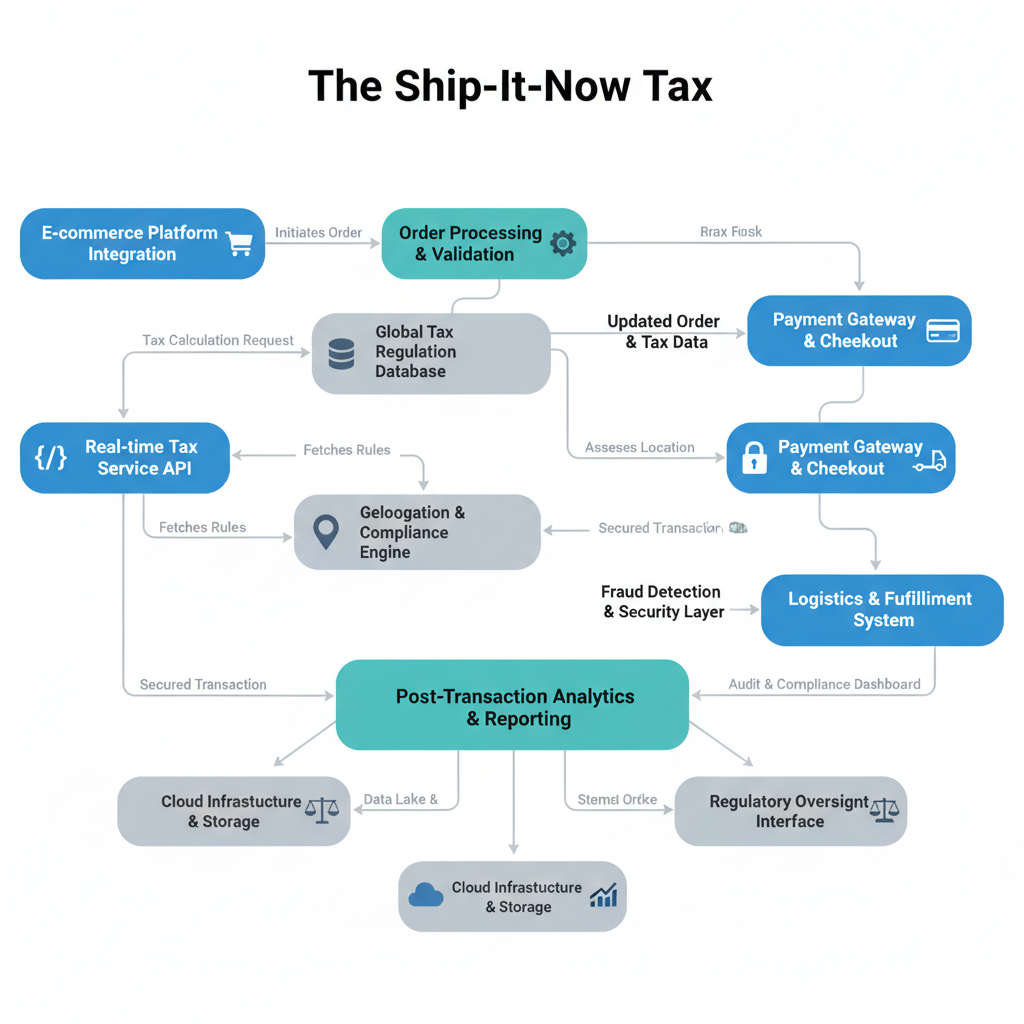
The industry calls it tech debt. I call it the ship-now tax. And the rate is punitive.
Research from Stripe’s engineering blog shows that teams who invest 20% of initial development cycles in test infrastructure and robust CI/CD pipelines reduce production incidents by 40% in the first year. Meanwhile, companies that prioritize pure feature velocity over quality — and I’m looking at you, every “move fast and break things” clone — end up spending 60% of engineering time on unplanned work by month nine.
That’s not speed. That’s running in quicksand.
The Market Doesn’t Care About Your Sprint Velocity
Your users have a superpower: they feel bad code before they can articulate it.
When a login page takes four seconds to respond because you skipped SQL query optimization in favor of “shipping the auth flow in two days,” the user doesn’t blame the database. They blame your product. They leave.
Satya Nadella’s engineering team at Microsoft famously rebuilt the entire Azure portal to eliminate a 0.2-second delay that was costing millions in churn. 0.2 seconds.
Now imagine your startup’s payment checkout suffers a 500ms database query because you never normalized the orders table. You didn’t ship faster. You shipped a leaky bucket.
The market doesn’t reward the team that ships first. It rewards the team that ships safely and improvably. And you can’t ship safely without:
- Feature flags to toggle new code off instantly
- Canary deploys to test changes on 1% of traffic
- Automated rollback scripts that run in under 60 seconds
- Acceptance tests that cover the critical user path
If you skipped these to “get to market,” you didn’t just ship tech debt. You shipped business risk.
The Blind Spot You Can’t Afford
Why does every founder and CTO fall for this? Because cognitive bias is a hell of a drug.
There’s a phenomenon called availability bias in decision-making: we overweight the evidence that’s right in front of us. A product launch is visible. Code quality is invisible. A weekly deploy cadence is visible. The seven hours your best engineer spends firefighting a silent production deadlock — that’s invisible.
So leaders optimize for the visible metric: shipping velocity.
The hidden cost? Every time you skip a thoughtful abstraction, a clean migration strategy, or even just a meaningful code review, you’re borrowing from your future self at 30% APR — except the payment isn’t deferred indefinitely. It compounds. And it compounds faster than revenue because every bad decision creates an exponential surface area for bugs, maintenance drag, and regression.
Here’s a concrete list of what you’re actually shipping when you ship prematurely:
- Unknown unknowns in your data model (null pointer exceptions waiting to happen)
- Accumulated merge conflicts from a lack of atomic commits
- Deploy scripts that only “work on my machine”
- Configuration that’s hardcoded instead of parameterized
- Documentation that’s one week outdated on day one
Each of these is a landmine. And your technical debt comes due the moment you have 100 paying customers — the worst possible time to trip.
The Only Way to Ship Fast
The counterintuitive truth: the best teams ship faster because they invest upfront.
Spotify’s squad model wasn’t built on shipping junk. It was built on autonomous teams with strong test coverage, isolated deployments, and rigorous monitoring. When a squad can merge to production with confidence because they have 95% test coverage and a five-minute deploy pipeline, they ship more per quarter than the startup that pushed a monolith to Heroku on a Friday afternoon.
The forward implication is brutal: the current “just ship” orthodoxy is selecting for failure. Startups that survive to Series A are increasingly the ones that treated their codebase like a cathedral, not a taco stand. The ones that automated testing before feature two. The ones that said no to a deadline because the schema needed work.
The “just ship” advice isn’t wrong — it’s incomplete. Speed without safety is a gamble, and startups rarely win on gambles. The real insight: technical debt doesn’t appear as a bill you can pay later — it appears as compound interest on your engineering team’s capacity. Pay it down early, or watch your product’s growth get choked by its own architecture.
Next time you hear someone say “just ship it,” ask them: What are we shipping for real? A feature? Or a future debugging session, a churned customer, and a refactor ticket that never makes the backlog?
You don’t have to choose between quality and speed — they’re the same thing when you measure correctly. So slow down to speed up. Your users, your engineers, and your eventual Series A investors will thank you.

Comments